Remember when the pandemic hit and everyone scrambled to figure out online shopping? Well, in Mauritius, that scramble turned into a sprint, and they haven't slowed down since.
From Crisis to Opportunity
In March 2020, like everywhere else, Mauritius went into lockdown. Traditional markets closed, tourism stopped, and suddenly everyone needed to figure out how to buy and sell online.
But something interesting happened. Instead of just copying international e-commerce models, Mauritian entrepreneurs built platforms that understood local shopping habits, payment preferences, and delivery challenges.
Three years later, e-commerce in Mauritius has grown by 340%, reaching Rs 6.1 billion in annual transactions. More importantly, it's created new opportunities for small businesses across the island.
The Local Platform Revolution
Platforms like MyT Shop, Shoprite's Checkers Sixty60, and local favorite Jumia adapted quickly to Mauritian shopping patterns. But the real innovation came from homegrown solutions.
Take 'Buy Local Mauritius' – a platform that connects small retailers directly with customers. Founded during lockdown, it now serves over 800 local businesses and has processed more than Rs 120 million in transactions.
What makes these platforms work isn't just the technology – it's the understanding of local context. Same-day delivery in a country where you can drive across the entire island in 90 minutes. Multilingual support in English, French, and Creole. Payment options that work for everyone.
The Mobile Money Game Changer
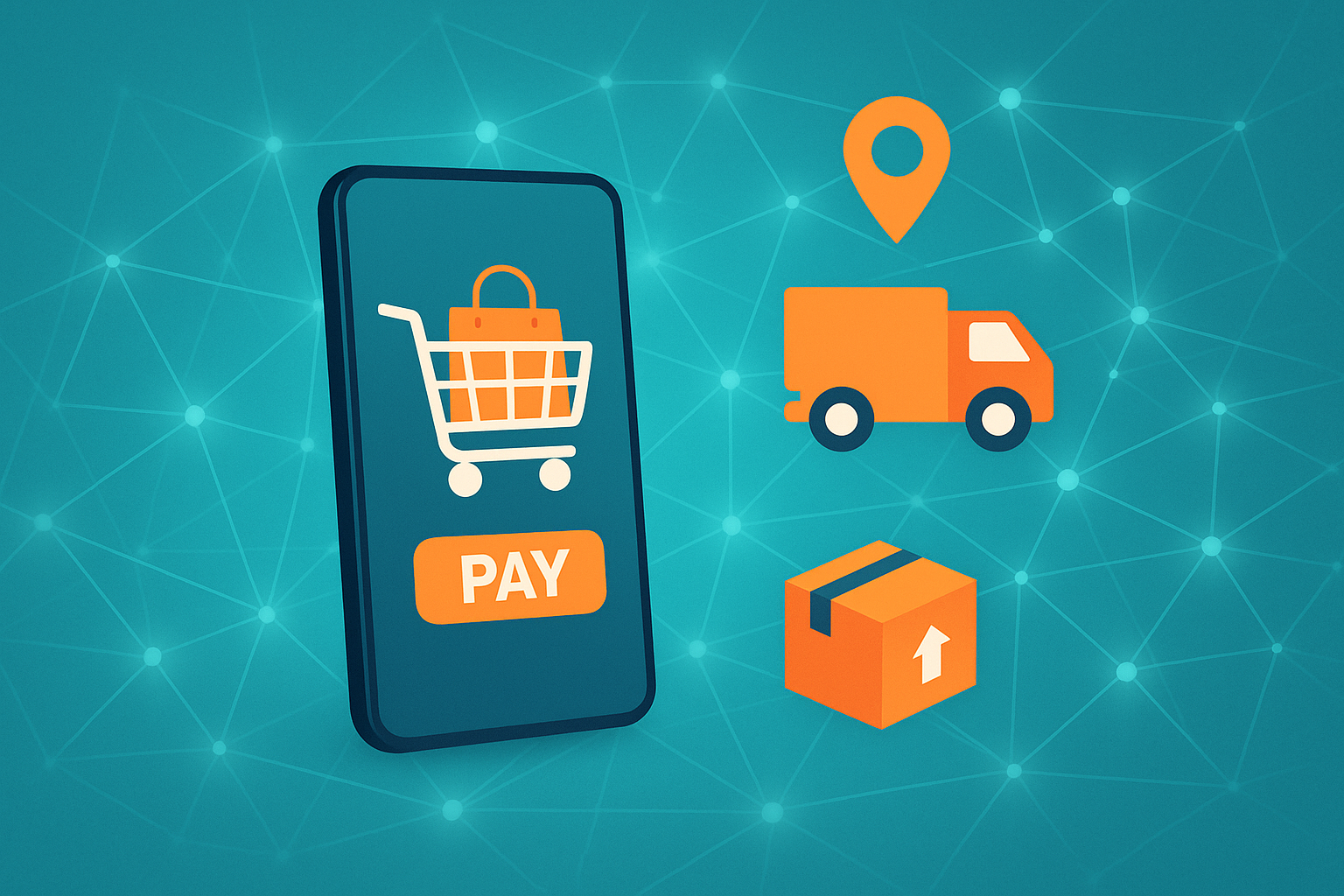
The secret weapon of Mauritian e-commerce isn't credit cards or PayPal – it's mobile money. Services like Orange Money, MCB Juice, and my.t money made online payments accessible to everyone.
These platforms work with basic smartphones, don't require bank accounts, and integrate seamlessly with e-commerce sites. The result? Financial inclusion that drives commerce inclusion.
Today, 73% of e-commerce transactions in Mauritius use mobile money – one of the highest rates globally. It's not just convenient; it's democratizing.
The Ecosystem Effect
What's impressive about Mauritius's e-commerce growth isn't just the numbers – it's the ecosystem that's developed around it. Payment processors, logistics companies, marketing agencies, web developers, and customer service providers have all grown together.
The government played a supporting role with digital payment regulations, e-commerce tax incentives, and digital literacy programs. But the growth was driven by entrepreneurs who understood their local market.
Today, Mauritius has one of the highest per-capita e-commerce adoption rates in Africa, and local platforms are expanding to serve other Indian Ocean islands.
Ready to Build Your E-Commerce Success?
Let's create an e-commerce solution that works for your market and your customers.