I'll never forget visiting a sugar cane farm in the north of Mauritius where the farmer showed me his phone. 'This app tells me exactly when to water,' he said, pointing to a simple interface. 'Saved me 15% on water costs last month.' That's when it hit me – AI in Mauritius isn't about fancy demos or future promises. It's working right now, solving actual problems.
Farming Gets Smart (Finally)
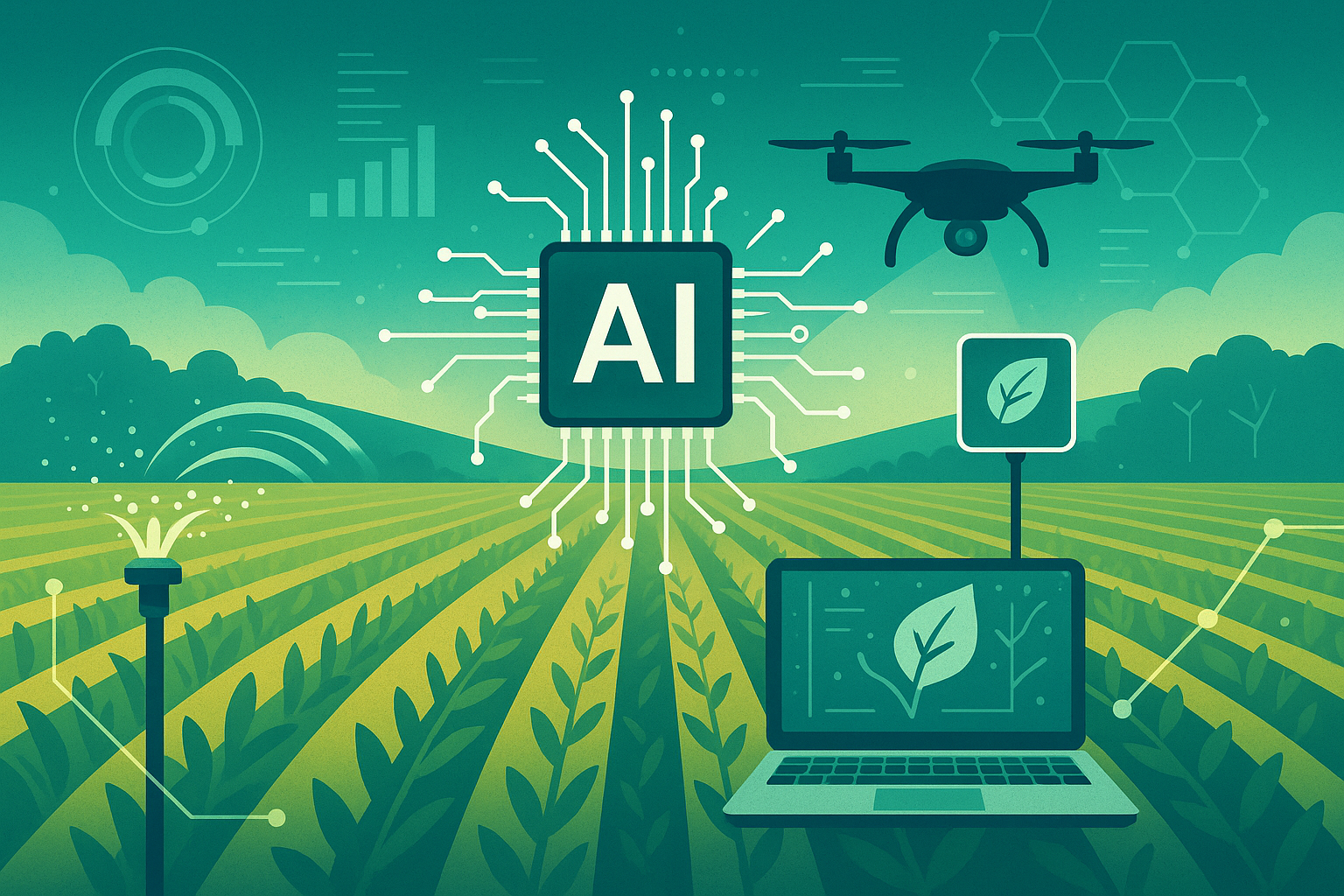
Smart irrigation systems analyzing soil moisture, weather forecasts, and crop data have increased sugar-cane yields by about 15%, adding roughly US$30 million to exports each year. Think about that for a second – AI is literally making sugar sweeter for the Mauritian economy.
But here's what's really clever: these aren't Silicon Valley solutions dropped into Mauritian fields. Local developers worked with local farmers to understand that irrigation in Mauritius isn't just about soil moisture – it's about predicting cyclone seasons, managing water rights that date back centuries, and dealing with microclimates that change every few kilometers.
The result? Systems that would make MIT researchers jealous, built by people who actually understand the problem they're solving.
Healthcare That's Actually Healthier
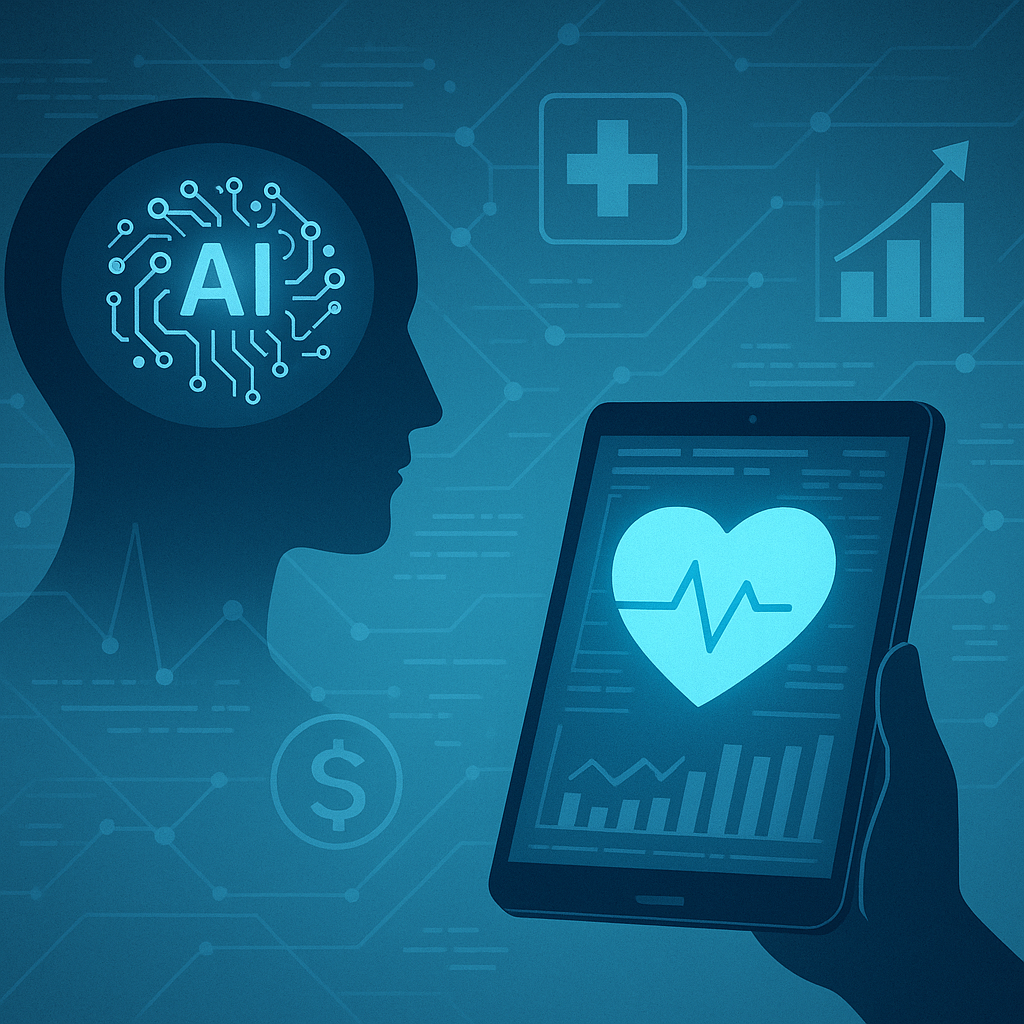
Public health authorities partnered with IBM to build an AI-powered dengue fever surveillance platform that analyzes meteorological data, mosquito population trends, and human mobility to predict outbreaks, reducing hospital admissions for dengue by 30%.
Let me put that in perspective: that's hundreds of families who didn't have to watch their children suffer through dengue fever. That's hospital beds available for other emergencies. That's healthcare workers who can focus on treatment instead of being overwhelmed by unexpected outbreaks.
The system works because it combines high-tech AI with low-tech reality. Community health workers input data through WhatsApp. Satellite imagery tracks standing water where mosquitoes breed. Weather stations (some of them decades old) provide temperature data. It's not pretty, but it works.
Ports That Actually Work
For an island nation, efficient ports aren't just nice to have – they're essential. Machine-learning algorithms scheduling maintenance on cranes and conveyor belts by forecasting equipment failures have cut downtime by 25%.
I toured the port facilities and saw this in action. Instead of waiting for equipment to break (the old way) or replacing parts on a fixed schedule whether needed or not (the expensive way), AI predicts when components will likely fail. A crane that would have broken down during peak season gets maintained during a quiet period instead. Ships don't wait, goods keep flowing, and the economy keeps humming.
Financial Inclusion That Actually Includes
This is my favorite story. FundKiss, using machine-learning models to evaluate borrowers who lack formal credit histories, has served over 10,000 previously unbanked clients since its launch in 2019. By 2021, they had financed 100 projects for funding of over Rs 52 million, with loans ranging from Rs 50,000 to Rs 4 million.
What makes this special isn't just the technology – it's the trust. In a small country like Mauritius, reputation matters. The AI doesn't just look at financial data; it considers community connections, business relationships, and local context that traditional credit scoring would miss.
I met a woman who runs a small catering business. Banks wouldn't lend to her because she had no credit history. FundKiss's AI looked at her consistent utilities payments, her children's school fee records, and her business's social media engagement. She got her loan, expanded her business, and now employs five people. That's AI changing actual lives.
The Education Revolution
The Virtual Institute of Technology offers online courses in data science and machine learning, with 55% of its students from other African countries. But here's the kicker – Mauritius aims to certify 10,000 AI professionals by 2030.
That's ambitious for a country of 1.3 million people. But they're not just training coders. They're creating AI-literate farmers, bankers, teachers, and government workers. It's about making AI accessible, not exclusive.
Keeping It Ethical
Here's what impressed me most: Mauritius isn't just adopting AI blindly. The government is developing guidelines to mitigate bias in AI models and ranks 13th globally on the Responsible Use Sub-Index.
They're asking hard questions: What happens when AI denies someone a loan? How do we ensure medical AI works for all ethnic groups in our diverse population? Who's responsible when an AI-controlled irrigation system fails?
These aren't theoretical debates. Real committees with real authority are making real decisions. It's messy, it's slow sometimes, but it's necessary.
The Failures We Learn From
Not everything works. An AI traffic management system in Port Louis had to be scrapped because it couldn't handle the uniquely Mauritian driving style (let's just say traffic rules are more... suggestions). A crop prediction model failed spectacularly because it didn't account for traditional farming practices that farmers weren't willing to change.
But here's the thing – these failures are teaching moments. Each failed project makes the next one better. The traffic system's data is now being used for urban planning. The crop model evolved into a simpler yield estimation tool that farmers actually use.
What Makes Mauritian AI Different
After seeing AI implementations across Africa and beyond, here's what makes Mauritius unique:
Scale That Makes Sense: They're not trying to build AI for billions of users. They're building for thousands or tens of thousands, which means they can be more precise, more customized.
Community Integration: AI solutions work because they fit into existing community structures, not replace them. The dengue system works with community health workers, not instead of them.
Practical Over Perfect: Nobody's trying to build artificial general intelligence. They're trying to save water, prevent disease, and help businesses grow. Boring? Maybe. Effective? Absolutely.
The Global Lessons
What Mauritius is proving is that AI doesn't need massive scale to be meaningful. A small country can be a perfect laboratory for AI solutions that can then be exported to similar environments.
That dengue prediction system? It's now being tested in Seychelles. The agricultural AI? Madagascar is interested. The port management system? Several African ports are watching closely.
In our final post, we'll look at where all this is heading – the ambitious plans, the ethical considerations, and why Mauritius might just be creating the blueprint for responsible AI development in small nations. Spoiler: it's not about copying Silicon Valley.
Ready to Build Practical AI Solutions?
Let's discuss how AI can solve real problems in your business or organization.